


THE LATEST WORKFORCE NEWS
Save time and subscribe to IAWP’s Workforce at Work newsletter. This newsletter shares with you the hot items from the news on workforce system issues as well as looks at trends, changes in laws and regulations, and what’s next in our profession.
-
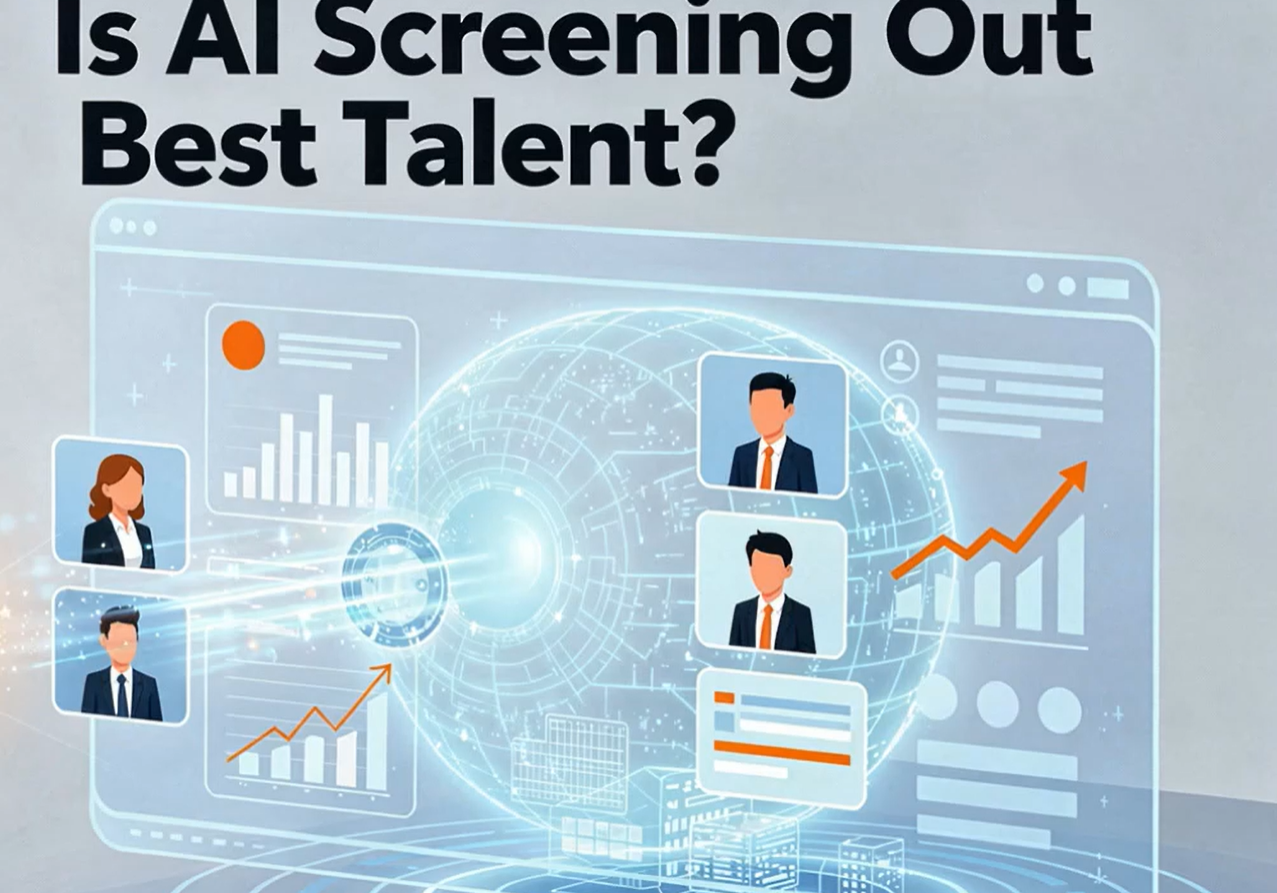
The Hidden Risk in Automated Hiring
What if the barrier keeping a qualified applicant from a job isn’t their preparation—but the hiring system itself? Automated screening tools now influence who advances, who is rejected, and who may never be seen by a human decision-maker. A closely watched lawsuit involving Workday raises important questions about the risks these systems can create. The […]
-

The New Job Search: Becoming Findable
For generations, looking for work followed a familiar pattern. You found an opening, submitted an application, and hoped someone noticed you. That system still exists, but it is becoming less dependable. Online applications have made it easier to apply—and easier for hundreds of other people to apply for the same position. Employers now face enormous […]
-

The Workforce System Is Changing, One Piece at a Time
What recent state and federal decisions mean for workforce staff and the people they serve If you work in the public workforce system, big changes are underway. They’re easy to miss because they’re arriving in pieces. Earlier this month, the federal government approved Arkansas’s plan to replace its ten local workforce boards with one statewide […]
-

Is Temporary Work Reshaping the Job Market? What Job Seekers Need to Know
What happens when the work is still there—but the employer’s commitment becomes shorter? Temporary, contract, and project-based work are changing how opportunities are created, how job seekers evaluate offers, and how workforce professionals advise the people they serve. In this episode of Observations, we examine: • Why temporary employment is becoming more important • How […]
-

There Isn’t One U.S. Job Market
We often talk about “the job market” as though everyone is experiencing the same thing. They aren’t. A new analysis from the Indeed Hiring Lab offers a useful reminder that whether it is easy or difficult to find a job can depend enormously on where someone lives. Indeed examined labor-market conditions in more than 800 […]
-

AI Training Is Changing. Workforce Development May Need to Change With It
For the last couple of years, much of AI training has focused on prompting: how to ask better questions, give clearer instructions and get better answers from tools such as ChatGPT. That is starting to change. As AI becomes part of everyday work, employers are likely to care less about whether someone knows a few […]
-
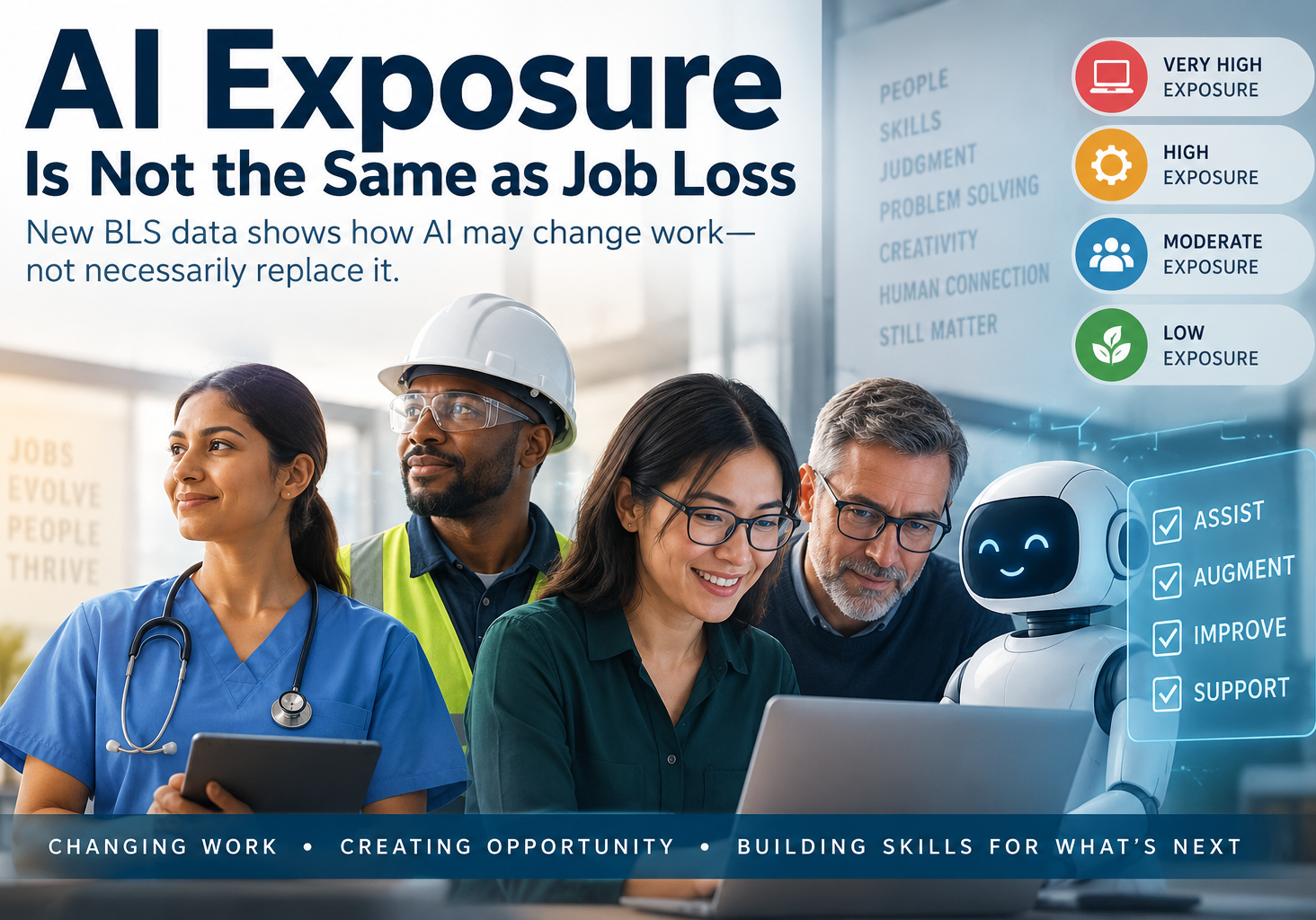
AI Exposure Is Not the Same as Job Loss
For the past several years, workforce professionals have been hearing increasingly dramatic predictions about what artificial intelligence will do to jobs. The U.S. Bureau of Labor Statistics is now offering a more measured way to look at the question. Along with its new employment projections for 2025 through 2035, released August 27, BLS introduced something […]
-
AI Is Improving the Work. Is It Improving the Worker?
AI can help people produce better work—and produce it faster. It can strengthen an argument, improve an analysis, organize scattered ideas, and generate a polished answer in minutes. But what if AI is improving the work faster than it is improving the person doing it? This distinction is easy to miss because organizations usually evaluate […]
-

What Real Job Applications Tell Us About Resumes
Job seekers are often told that their résumé needs to stand out. That advice can easily lead to elaborate templates, multiple columns, graphics, carefully designed sidebars, and increasingly heavy use of artificial intelligence. A recent real-world test suggests something much simpler may work better. Career platform Kickresume submitted 204 applications to actual U.S. job openings […]
-

Millions of Job Openings—So Why Is Getting Hired Still So Difficult?
For several years, jobseekers and workforce professionals have confronted an apparent contradiction. Employers report millions of job openings, yet many qualified applicants struggle to receive an interview, much less a job offer. One common explanation is that the number of openings is exaggerated by duplicate job advertisements, remote positions listed in several locations, or vacancies […]