


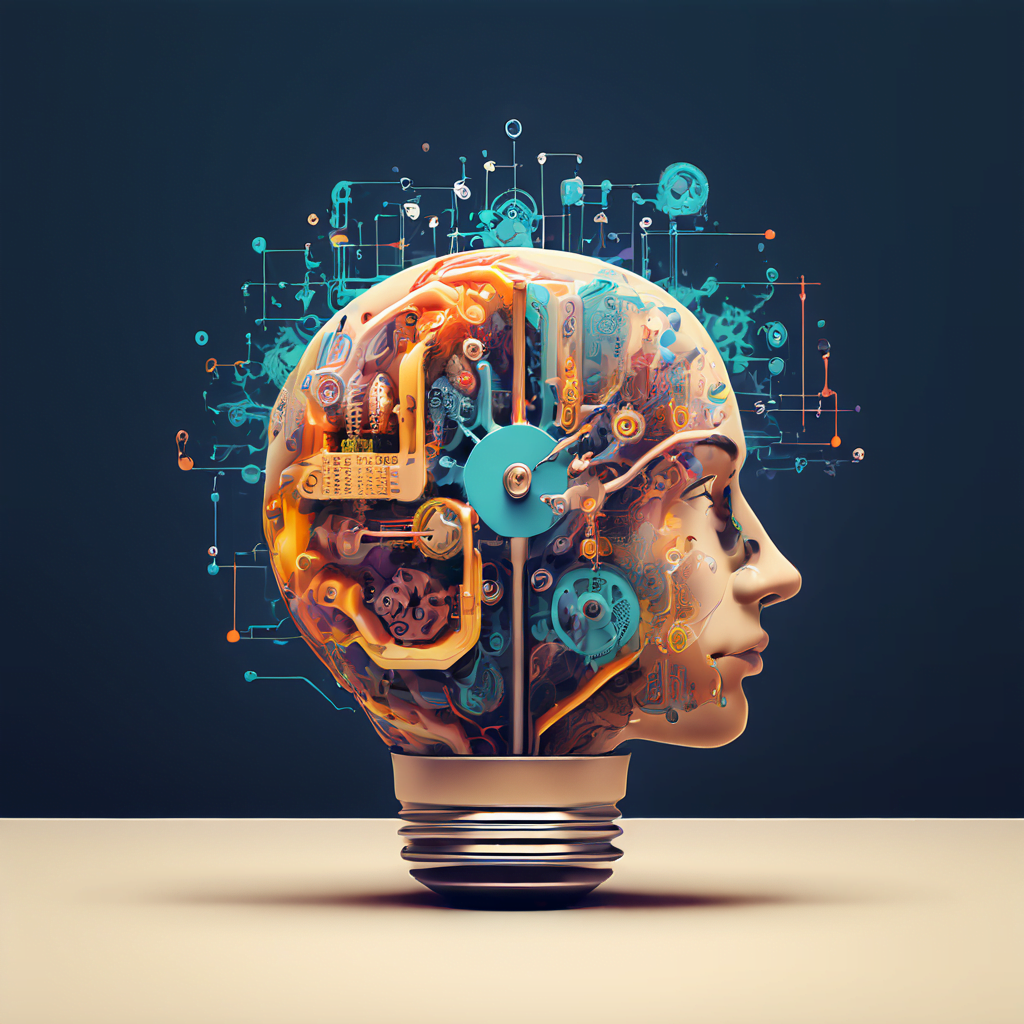
Is your career AI-proof? The question is no longer speculative; it’s an immediate reality check. Artificial Intelligence is not just knocking at the door of the global workforce—it’s already inside, fundamentally overhauling industries, redefining essential skills, and redrawing the lines between human endeavor and machine capability. This isn’t a gentle current of change; it’s a tidal wave, and its impact on your job, your future employment, and our entire approach to workforce development demands urgent, focused attention. The era of AI is upon us, and understanding its implications is the first critical step towards charting a course through the profound transformations ahead.
The Dual Impact: Displacement and Creation
One of the most discussed aspects of AI’s influence is its dual effect on jobs: displacement in some areas and creation in others. Numerous studies highlight that AI and automation technologies excel at routine, repetitive tasks. This is leading to a discernible displacement effect in sectors where such tasks are prevalent, such as data entry, assembly line work, and some administrative roles. Reports like the World Economic Forum’s (WEF) “Future of Jobs” series have consistently explored these dynamics, previously estimating significant job displacement alongside new role creation due to AI and automation (WEF Future of Jobs Reports – Note: link is to the 2023 report, as an example of their ongoing analysis). For instance, the rise of chatbots and AI-driven customer service platforms is already reducing the demand for traditional customer service roles.
Conversely, AI is also a significant engine for job creation. The same WEF reports that predict job displacement also forecast the emergence of millions of new roles. These new opportunities often lie in fields directly related to AI development, such as AI specialists, machine learning engineers, and data scientists. Beyond tech-centric roles, there’s a growing demand for individuals who can manage human-machine teaming, oversee AI ethics and governance, and adapt AI solutions to various business processes. The McKinsey Global Institute, in various analyses, has suggested that AI could contribute significantly to the global economy and create new jobs (e.g., see discussions on AI’s economic impact on sites like McKinsey & Company’s AI section).
Evolving Skill Requirements and the Imperative of Reskilling
The rise of AI necessitates a fundamental shift in the skills required by the workforce. As AI handles more routine tasks, human skills such as critical thinking, complex problem-solving, creativity, emotional intelligence, and digital literacy become increasingly valuable. A study by the McKinsey Global Institute, such as those exploring the future of work, has found that a significant portion of the global workforce may need to switch occupational categories and acquire new skills due to AI and automation (e.g., “Jobs lost, jobs gained: What the future of work will mean for jobs, skills, and wages” – McKinsey Global Institute).
This evolving demand underscores a critical need for robust workforce development initiatives focused on reskilling and upskilling. Governments, educational institutions, and businesses must collaborate to create accessible and effective training programs. These programs should not only focus on technical AI-related skills but also on developing the uniquely human competencies that complement AI. AI itself can play a role in transforming workforce development, with AI-powered tools offering personalized learning paths and predictive analytics to align training with future industry needs.
Economic Impacts and Concerns of Inequality
The economic impact of AI on employment is complex. While AI has the potential to boost productivity and stimulate economic growth, there are concerns about its effects on wage distribution and inequality. Research from organizations like the International Monetary Fund (IMF) has explored AI’s potential to impact a substantial percentage of jobs globally, noting that advanced economies might face greater exposure and that AI could affect income and wealth inequality (IMF Blog on AI and the Future of Work or related publications available on IMF.org). While some jobs may benefit from AI integration, enhancing productivity and wages, others could see reduced labor demand, potentially leading to lower wages or job losses.
There’s also a risk that AI could exacerbate income inequality. Workers who can harness AI are likely to see their productivity and wages increase, while those in roles susceptible to automation without opportunities for retraining may fall behind. Studies also indicate that certain demographic groups might be disproportionately affected, potentially intensifying existing disparities in the labor market.
Taking Command of Our AI-Driven Future: A Call to Action
The transition to an AI-driven economy is not a passive event; it demands proactive engagement from all stakeholders. While the specific study you initially provided could not be accessed for this analysis, the broader consensus from numerous reports is clear: AI’s transformative power is undeniable. To navigate this era successfully and ensure technology augments human potential for inclusive growth, we must move from observation to decisive action:
-
For Individuals: Become an Architect of Your Own Adaptability.
- Commit to Lifelong Learning: Actively pursue new skills. Explore online courses, certifications, and workshops in areas like data literacy, AI fundamentals, digital ethics, critical thinking, and creative problem-solving. Don’t wait for change to happen to you; anticipate it.
- Cultivate Human-Centric Skills: Double down on competencies AI cannot easily replicate: emotional intelligence, complex communication, strategic thinking, and collaborative leadership.
- Embrace Agility: Be prepared to pivot in your career. Continuously assess how AI is impacting your field and identify opportunities to integrate new tools or transition into evolving roles.
-
For Businesses and Industry Leaders: Invest in Your Human Capital as Your Core Asset.
- Champion Reskilling and Upskilling: Implement robust, ongoing training programs. Partner with educational institutions to design relevant curricula and leverage AI-powered platforms for personalized employee development.
- Redesign Work for Human-Machine Collaboration: Focus on augmenting human capabilities with AI, not merely replacing tasks. Create new roles that leverage the unique strengths of both.
- Foster a Culture of Innovation and Ethical AI: Encourage experimentation with AI tools while establishing clear ethical guidelines for their deployment, ensuring fairness, transparency, and employee well-being.
-
For Policymakers and Educators: Build the Scaffolding for an Equitable Transition.
- Modernize Education and Training Systems: Overhaul curricula from K-12 through higher education and vocational training to embed digital literacy, AI awareness, and adaptability as core competencies.
- Boost Investment in Accessible Workforce Development: Massively scale up funding for public and private training initiatives, apprenticeships, and lifelong learning programs, ensuring they reach underserved communities.
- Strengthen Social Safety Nets: Develop and adapt social support systems—such as portable benefits, wage insurance, or innovative income support models—to provide security for workers navigating job transitions.
- Establish Clear Governance for AI: Create agile regulatory frameworks that promote responsible AI innovation while safeguarding against bias, protecting worker rights, and ensuring accountability.
The future of work in an AI world is not predetermined. It will be shaped by the choices we make today. By taking these concrete actions, we can move beyond apprehension and actively sculpt a future where AI serves as a powerful tool for widespread prosperity, enhanced human capability, and a more dynamic and inclusive global workforce. The time for strategic foresight and bold implementation is now.